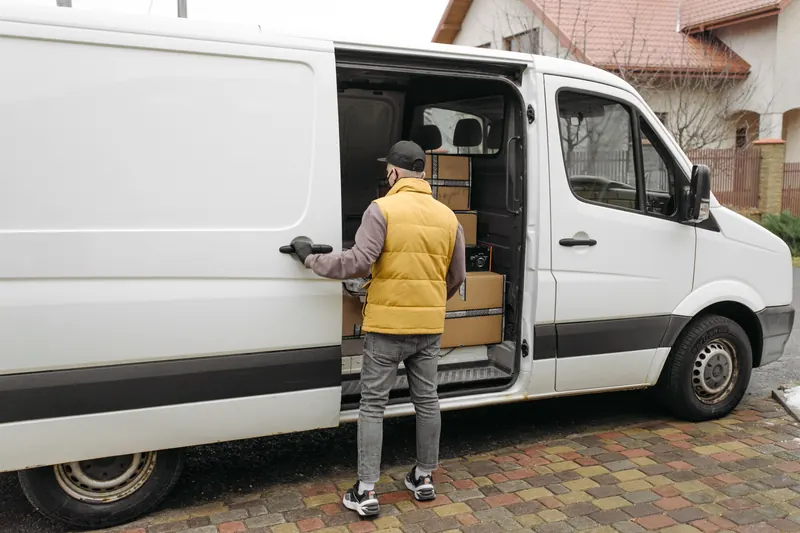
A regional parcel company with 64 vans moved from paper checks to phone inspections and planned services around peak.
The challenge
Drivers filled in paper check sheets that reached the office at the end of the day, after the van had already done its route.
Services were planned from a spreadsheet one person updated, so oil changes clustered in the November peak.
What they changed
Every van got the daily delivery checklist on the driver's phone. Failed lights and brakes took the van off the board immediately and opened a work order.
Oil and brake services moved to distance-based rules, with a 30-day forward view the shop uses to keep peak weeks clear.
“The first week, three vans came off the board at 6:40 in the morning. We fixed two before the routes left. That never happened on paper.”
Where they are now
Defects are now fixed before the van leaves the yard instead of on the roadside.
The shop plans two weeks ahead and the November peak had no scheduled services at all.